Formations | Vie du campus
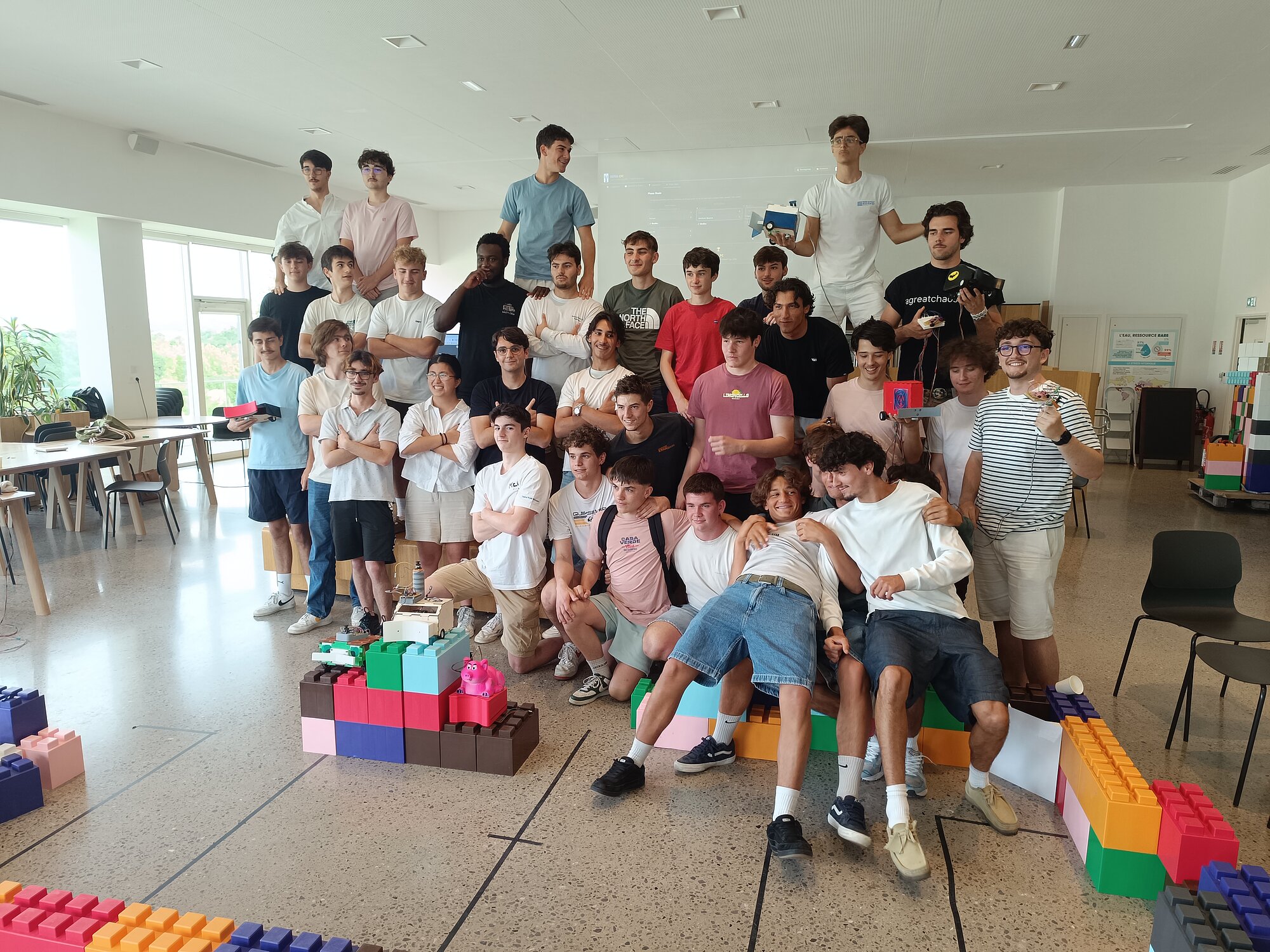
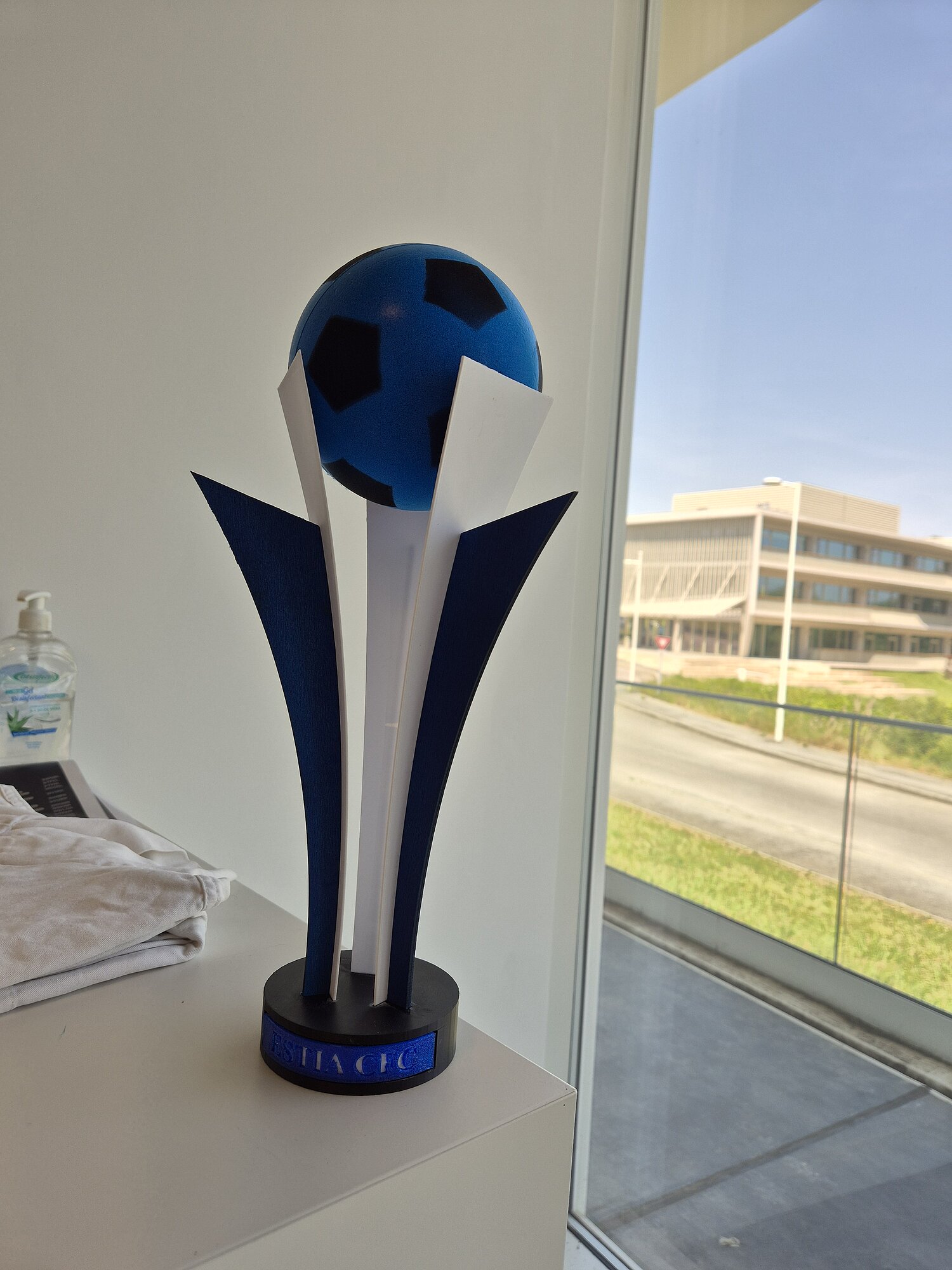
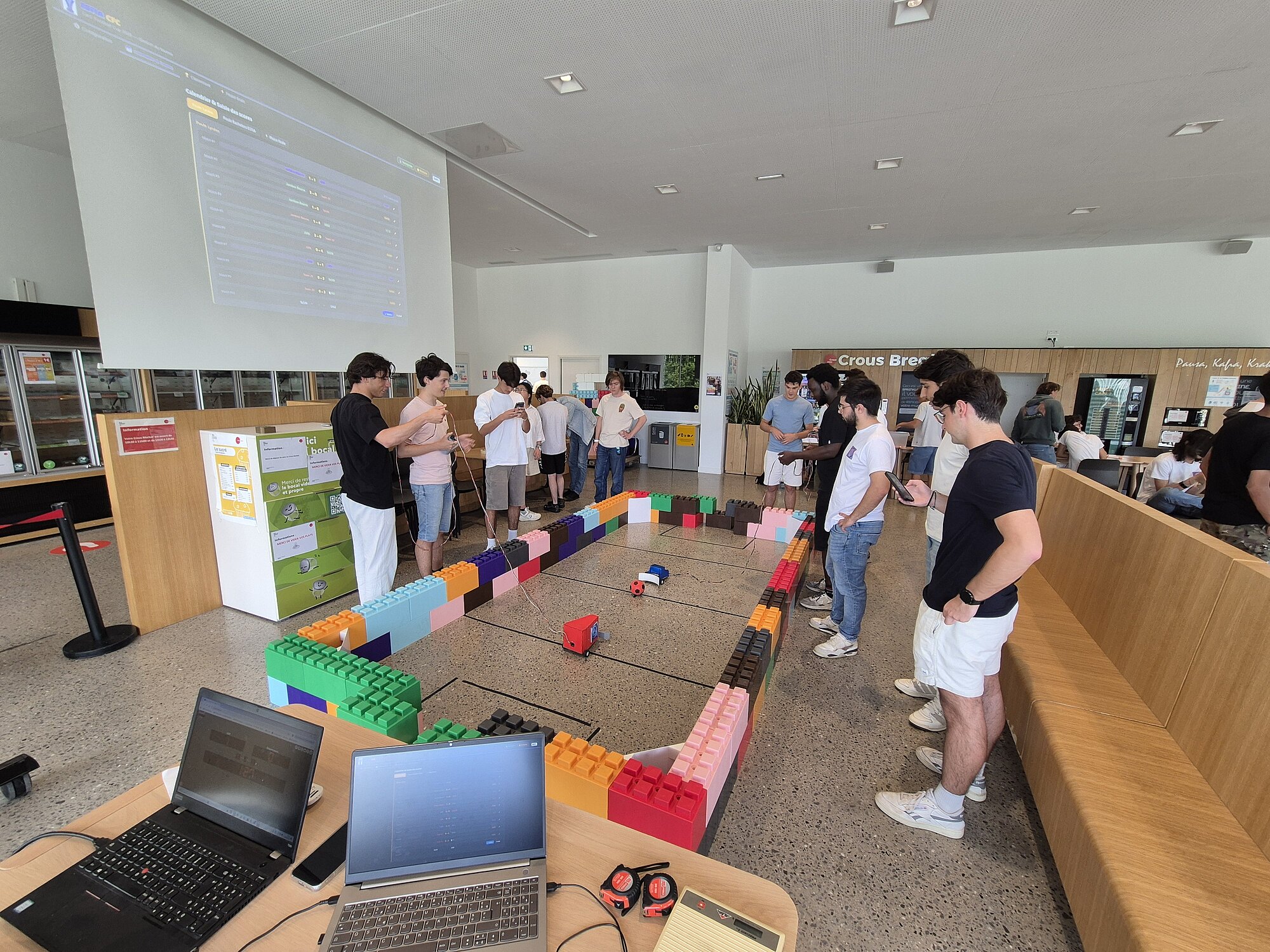
In the first year, before the 2026 World Cup kicked off on the other side of the Atlantic, the major event for our students was the 2026 edition of the ESTIA Car’s Football Cup. The students, in teams of three or four, had two weeks, from 18 to 29 May, to design, prototype and test their wire-guided robots, which were set to compete in one-on-one matches, with each team aiming to lift the competition trophy. This year saw a significant new development: alongside the 21 ESTIA Bachelor’s students, divided into six teams, 21 secondary school pupils, divided into five teams, also took part in the 2026 edition, including two teams of Year 13 SIN students from the Lycée Cantau, two Year 11 SI teams from the Lycée du Pays de Soule and one Year 13 STI2D team from the Lycée du Pays de Soule. This initiative to open the event to secondary school pupils, which began at the first Elena Camp organised last year at ESTIA as part of the CAP ELENA project, was very well received by students, pupils and teachers alike. This great success demonstrates the need to continue this commitment, by involving our colleagues in secondary education, in order to raise awareness among young people of careers in science and engineering.
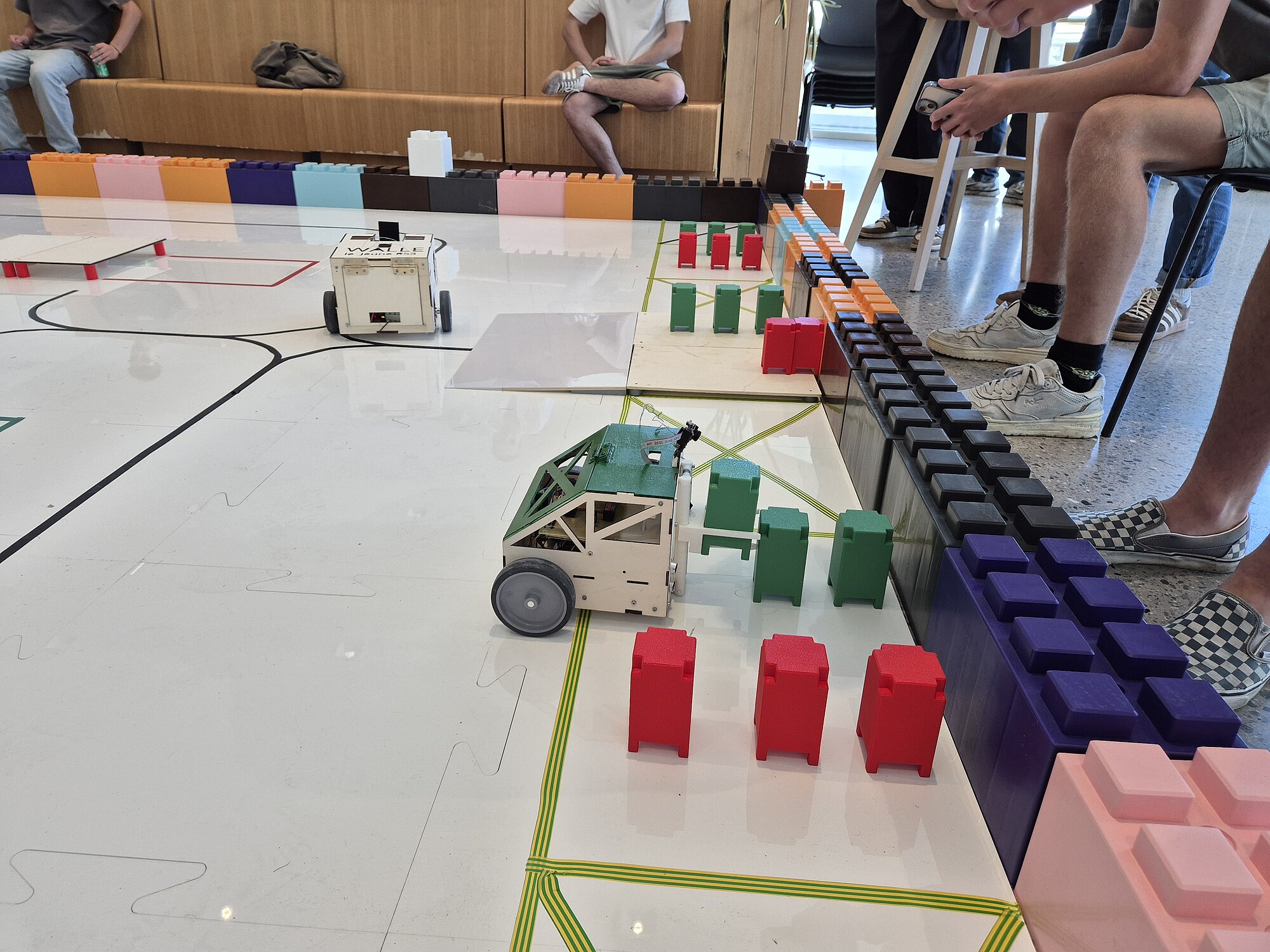
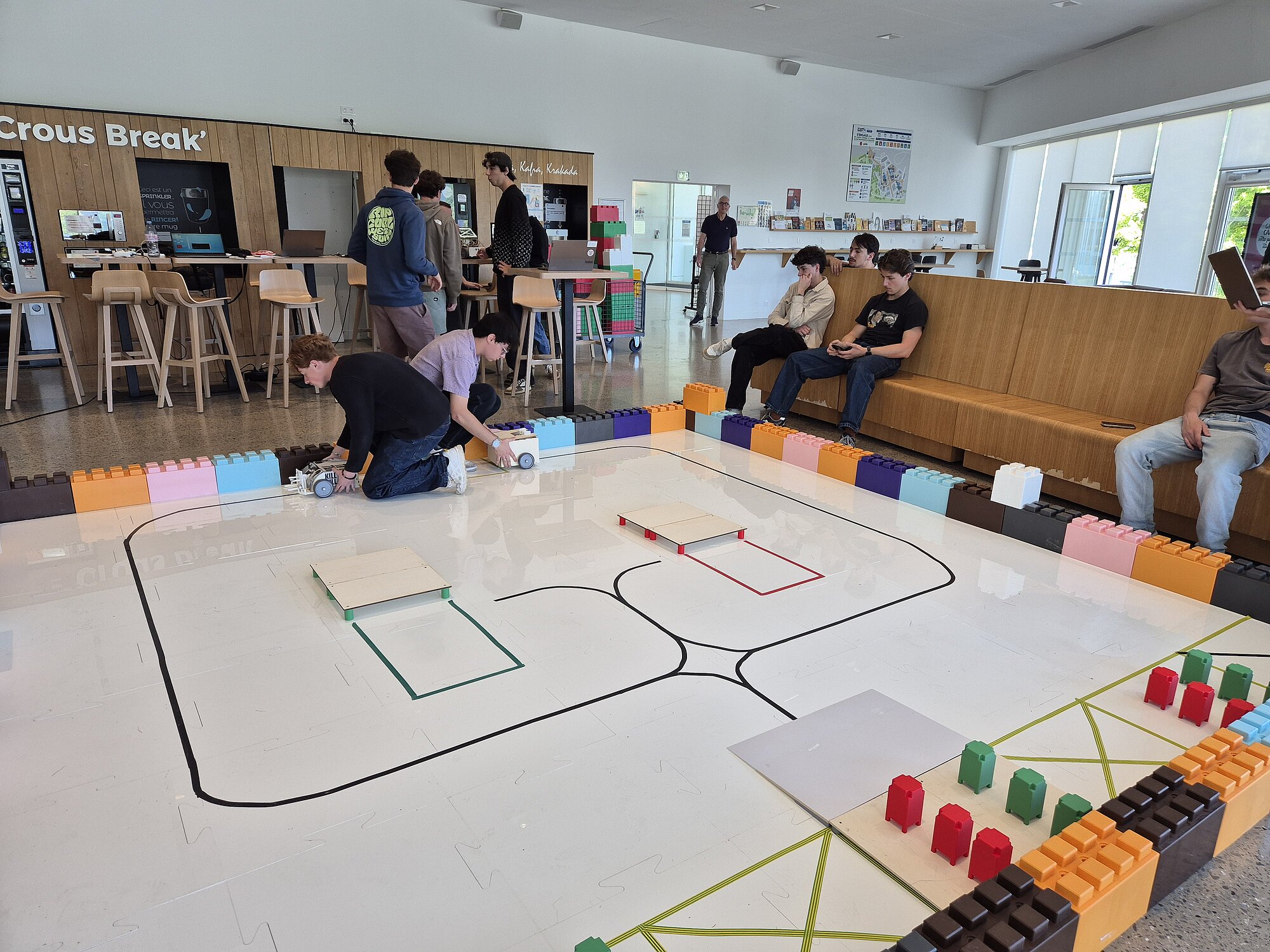
For their part, the second-year students faced a major challenge: to design, prototype and build a semi-autonomous robot capable of carrying out tasks, moving around and handling objects in an industrial setting. Over the course of eight weeks, the teams conceived, designed, tested and then refined their prototypes as part of the ‘Fil Rouge’ project, which ran throughout the school year. On the morning of 3 June, during the final event, the robots demonstrated their capabilities: manual and wireless control, line-following without operator intervention, and the detection and transport of objects. Each demonstration highlighted the teams’ technical and strategic choices, whilst they were cheered on by their classmates and teachers.
These two projects draw on essential cross-disciplinary skills: electronics, mechanics, programming, project management, communication and team spirit. They illustrate ESTIA’s commitment to training engineers and technicians capable of innovating, collaborating and adapting to complex technical environments. Well done to all the students, sixth-formers, teachers and supervisors involved in these projects!