Relations entreprises | Vie du campus
Over a three-week period, participants undertake an intensive course delivered entirely in English, combining academic teaching, practical work, engineering projects, company visits and cultural immersion. At the heart of the programme lie the key pillars of Industry 5.0: artificial intelligence (AI), the Internet of Things (IoT), digital twins, additive manufacturing, computer-aided design, project management, sustainable innovation and human-machine interaction. Working in teams, students develop a prototype of a smart product before presenting their project during a final defence before a panel of lecturers and researchers from ESTIA.
The programme is led by Professor Octavian CUREA, a lecturer and researcher at ESTIA, who coordinates the teaching and educational projects for this Summer School.
This course is based on a project-based approach, fostering creativity, a spirit of innovation and collaborative work. Students explore the various stages involved in designing a smart industrial product, from identifying needs through to developing a functional prototype, including modelling, the integration of digital technologies and user testing. This hands-on approach brings future engineers closer to the realities of industry and the new challenges associated with the digital and ecological transition.
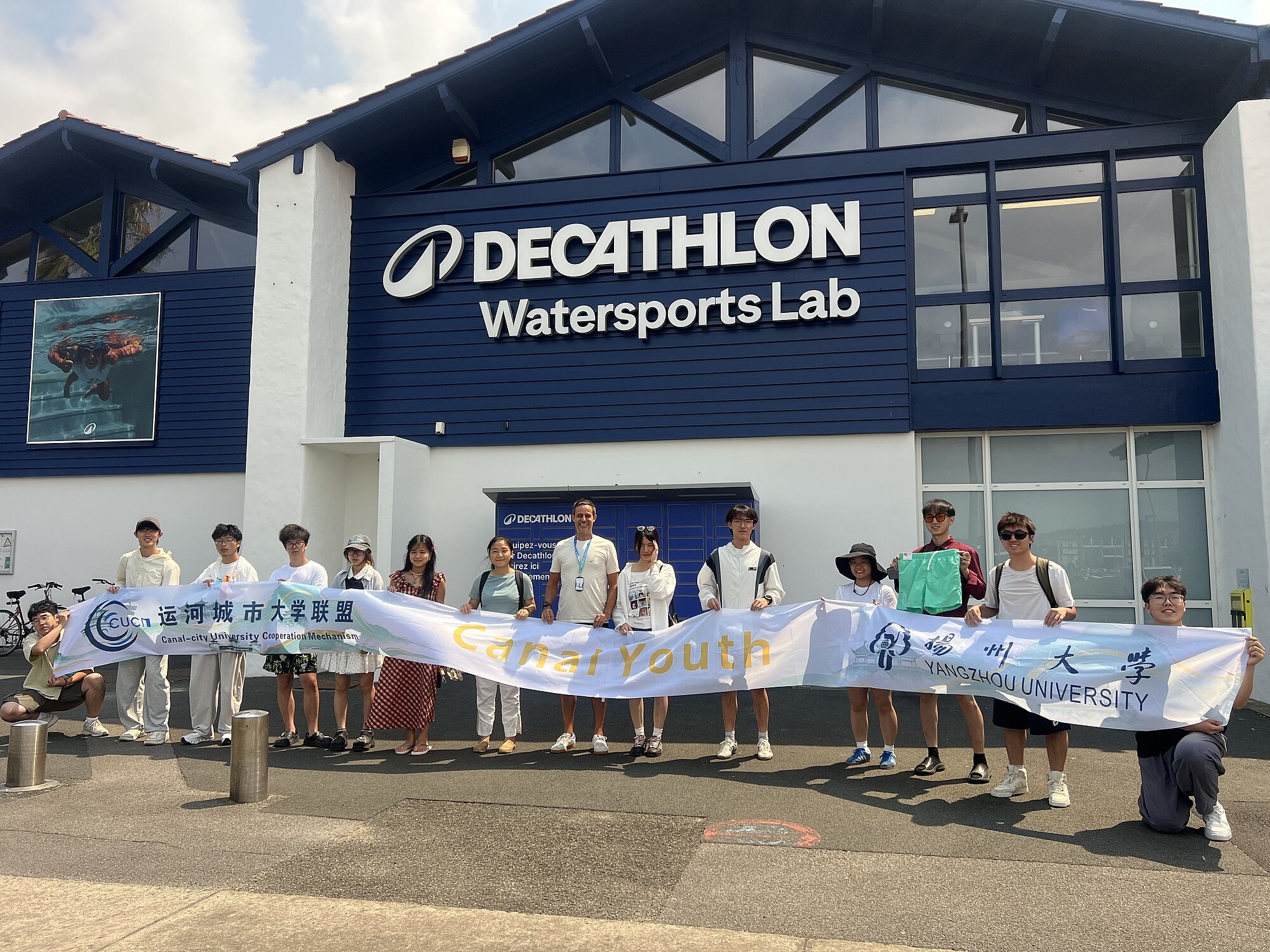
Beyond academic teaching, the Summer School offers an immersion in the French industrial ecosystem. Participants visit innovative companies and leading technology platforms to discover the practical applications of Industry 5.0. Lectures by experts and workshops focusing on sustainable development, entrepreneurship and social responsibility round off the training programme, offering a comprehensive overview of the challenges engineers will face in the coming decades.
The programme also places great emphasis on exploring French and Basque heritage. Students take part in introductory French language classes, discover local traditions, cuisine and the famous Bayonne Festival, as well as visiting the cities of Biarritz, Bordeaux and San Sebastián. This cultural immersion fosters exchanges between students of different nationalities and develops the intercultural skills essential in a globalised professional environment.
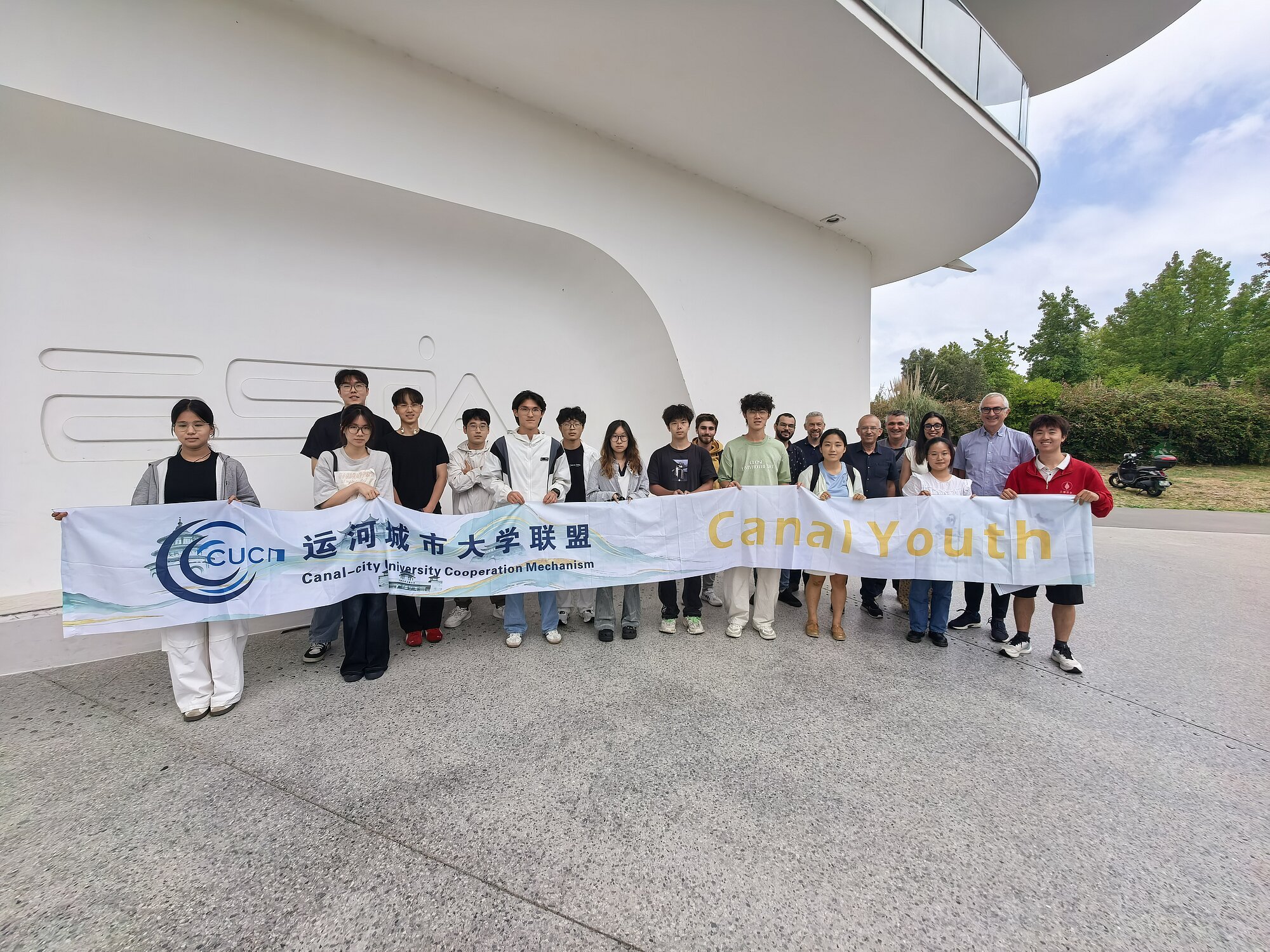
As a member of several international higher education networks, including the Alliance of Universities of the Canal Cities (CUCM), ESTIA is thus continuing its commitment to international academic cooperation and to training engineers with a global outlook. This programme helps to strengthen ties between French and Chinese institutions whilst promoting student mobility, knowledge-sharing and future scientific collaborations.
Through this Summer School, ESTIA reaffirms its ambition to train a new generation of engineers capable of meeting the major challenges of Industry 5.0. By combining scientific excellence, technological innovation, practical experience and cultural openness, the school prepares talented graduates capable of supporting the sustainable transformation of industry and of thriving in an international environment, where cooperation, creativity and innovation are the driving forces behind tomorrow’s development.