
Recherche
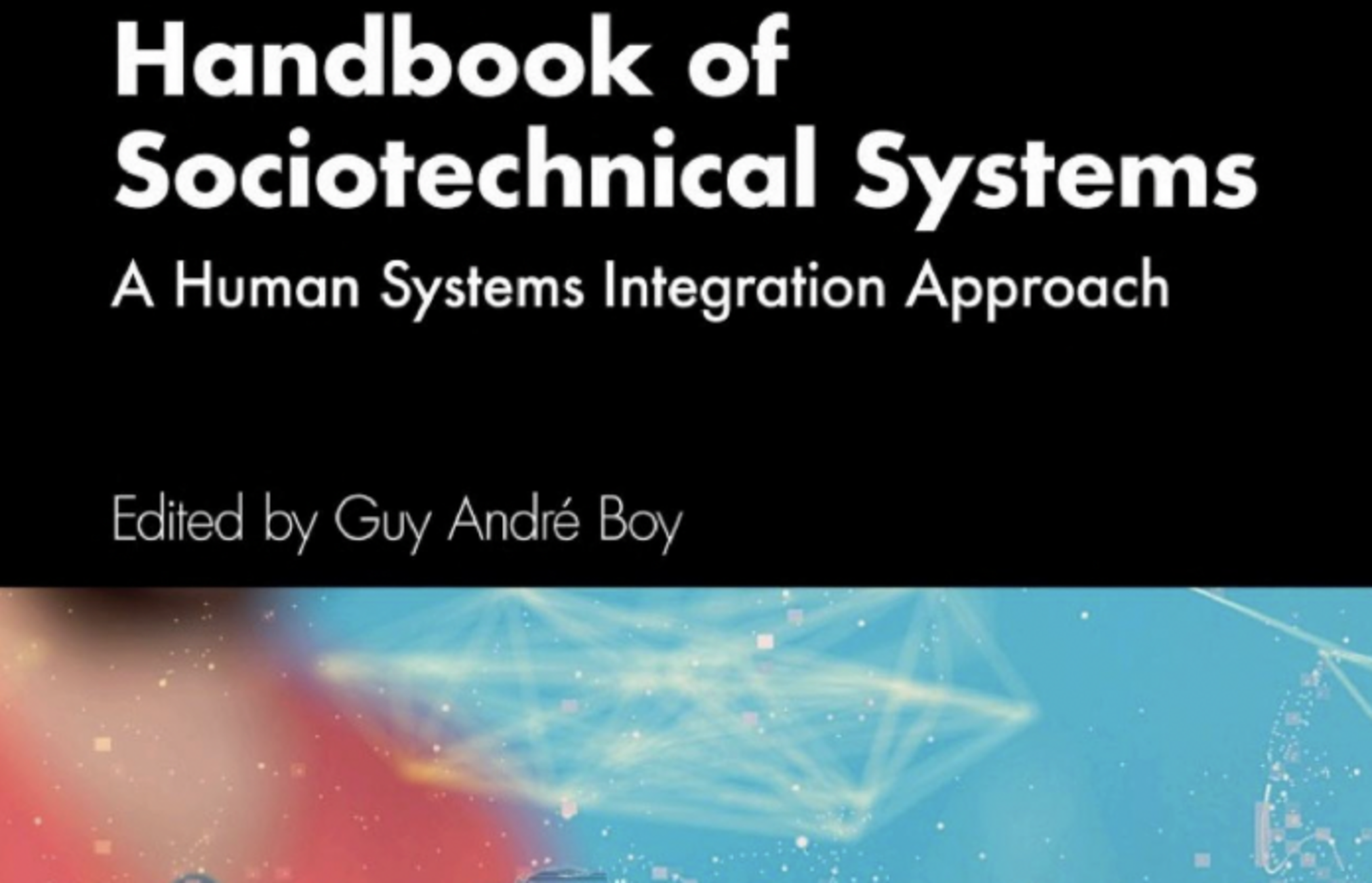
Through this landmark publication, the teams involved, including ESTIA Research, are helping to redefine engineering approaches in a world characterised by complexity, digitalisation and the rise of artificial intelligence.
A new approach to socio-technical systems
Socio-technical systems (STS) are now at the heart of major industrial and societal transformations. They encompass all interactions between:
- humans,
- technologies,
- and organisations.
In this context, the book proposes a major shift away from traditional models:
👉 moving from a human-machine interaction framework to a multi-agent, dynamic and contextualised approach.
This vision enables a better response to current challenges, particularly in critical environments where human performance and system reliability are essential.
Human Systems Integration: a strategic lever for modern engineering
One of the key contributions of this book lies in its reinterpretation of Human Systems Integration (HSI).
This approach aims to integrate human factors right from the design stage of systems, in order to:
- improve overall performance,
- ensure safety,
- optimise the user experience,
- and strengthen organisational resilience.
In a world where systems are increasingly incorporating artificial intelligence and autonomy, this approach is becoming essential.
A reference work for understanding and taking action
Structured into 14 sections and 45 chapters, this handbook is a comprehensive resource for professionals and researchers.
Topics covered include:
- human-autonomy teaming
- scenario-based design
- performance support
- organisational maturity
- the role of tangibility in digital systems
The book offers:
✔️ robust
theoretical models ✔️ operational methods
✔️ practical applications in high-stakes sectors
Applications in critical sectors
The concepts developed have direct applications in fields characterised by high complexity and significant risks:
- aerospace
- defence
- health
- energy
- public systems
In these sectors, the ability to design robust, intelligent and human-centred systems is a major challenge.
ESTIA Research at the heart of socio-technical challenges
Guy A. Boy’s contribution fully illustrates the expertise developed within ESTIA Research.
Through its work, ESTIA is part of an international movement focusing on:
- human-system integration
- the engineering of complex systems
- interactions between artificial intelligence and human activities
This research directly addresses contemporary challenges:
👉 designing systems that are more sustainable, safer and better suited to real-world applications.
A key resource for engineers and decision-makers
This handbook is aimed at a wide audience:
- engineers
- designers
- researchers
- public decision-makers
- teachers
It is an essential reference for anyone working at the interface between people, technology and organisations.
Where can I buy the book?
🔗 Discover the book:
https://www.routledge.com/Handbook-of-Sociotechnical-Systems-A-Human-Systems-Integration-Approach/AndreBoy/p/book/9781041122289