DD&RS | Formations | Vie du campus
After a year of preparation, fundraising and organisation, the three groups of students travelled to Guatemala at the end of April. Welcomed by the managers of the Hogar de Niños Fátima, they quickly explored the various centres, met the children and carried out an assessment of the facilities to identify priority needs.
Technical projects addressing local needs
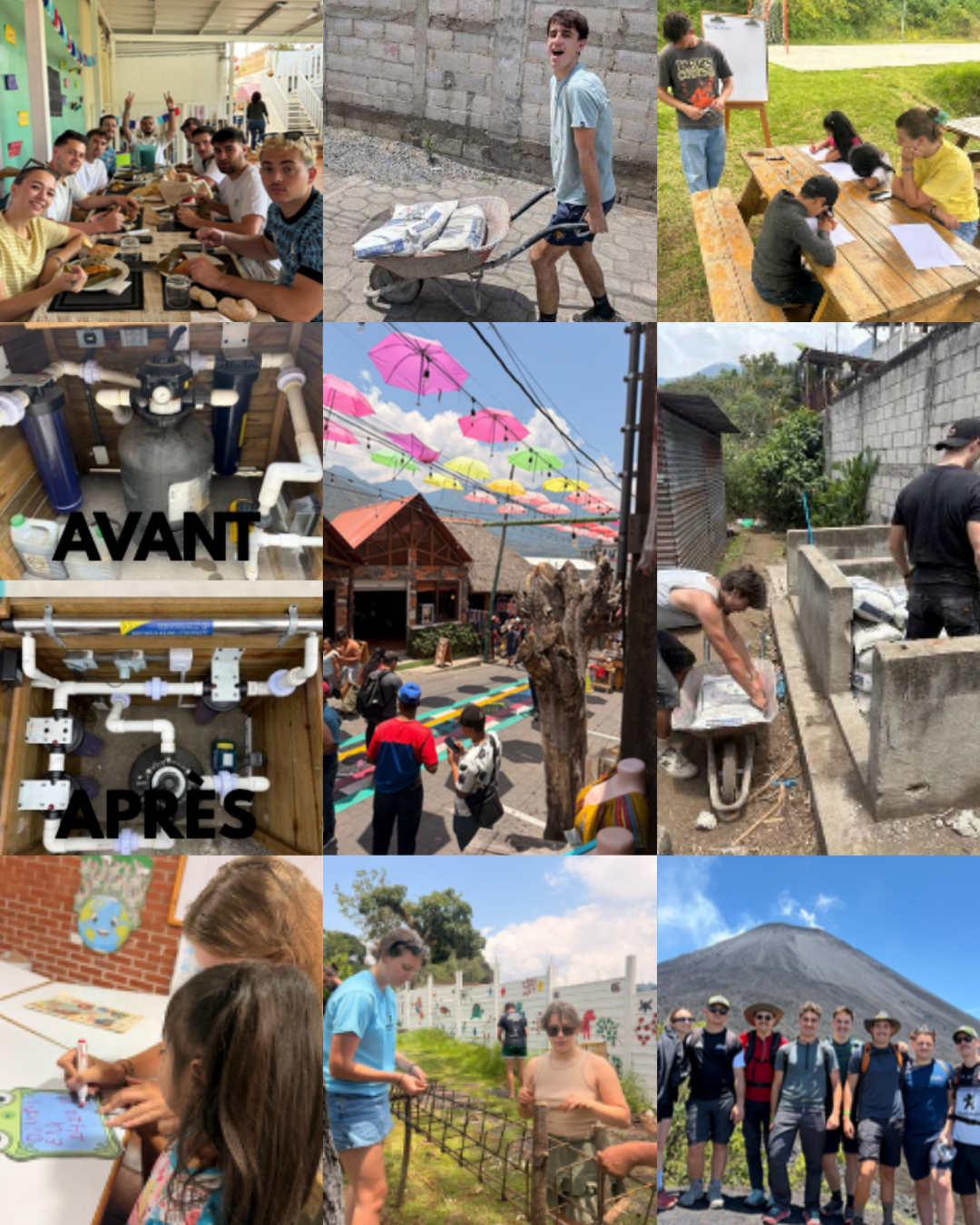
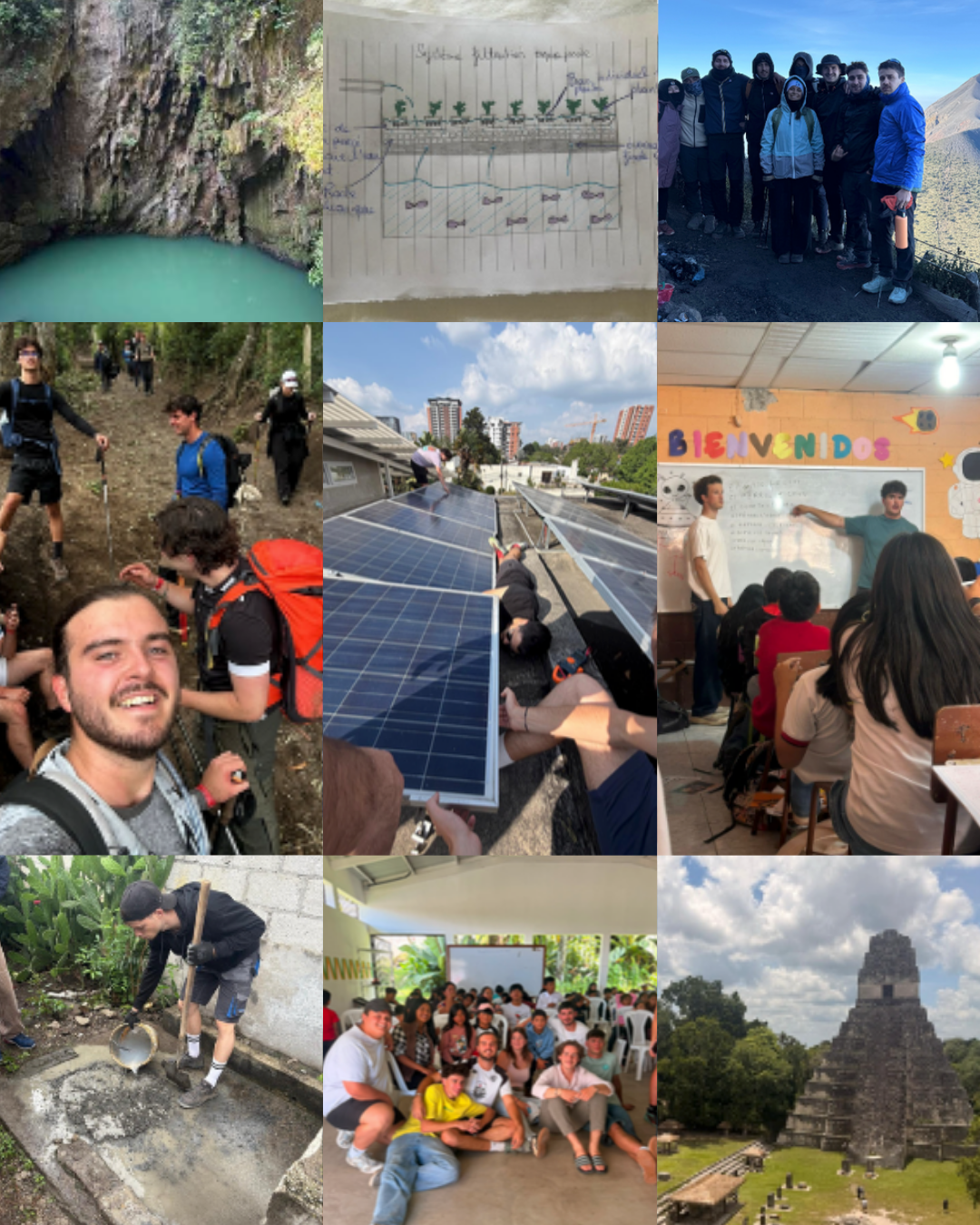
In Guatemala City, the students are working in particular on refurbishing an aquaponics system and on recycling water from the laundry. After studying the existing facilities, they tested various treatment solutions, installed filtration systems and improved the water recovery circuits. Their aquaponics project combines fish farming with the cultivation of aromatic plants, with the aim of creating a sustainable production system that can be used to provide food for the children.
The group also helped install twelve solar panels, designed to boost the centre’s energy self-sufficiency. From selecting the equipment to fitting it onto the roof, the students were able to apply their technical skills whilst adapting to the resources available on site.
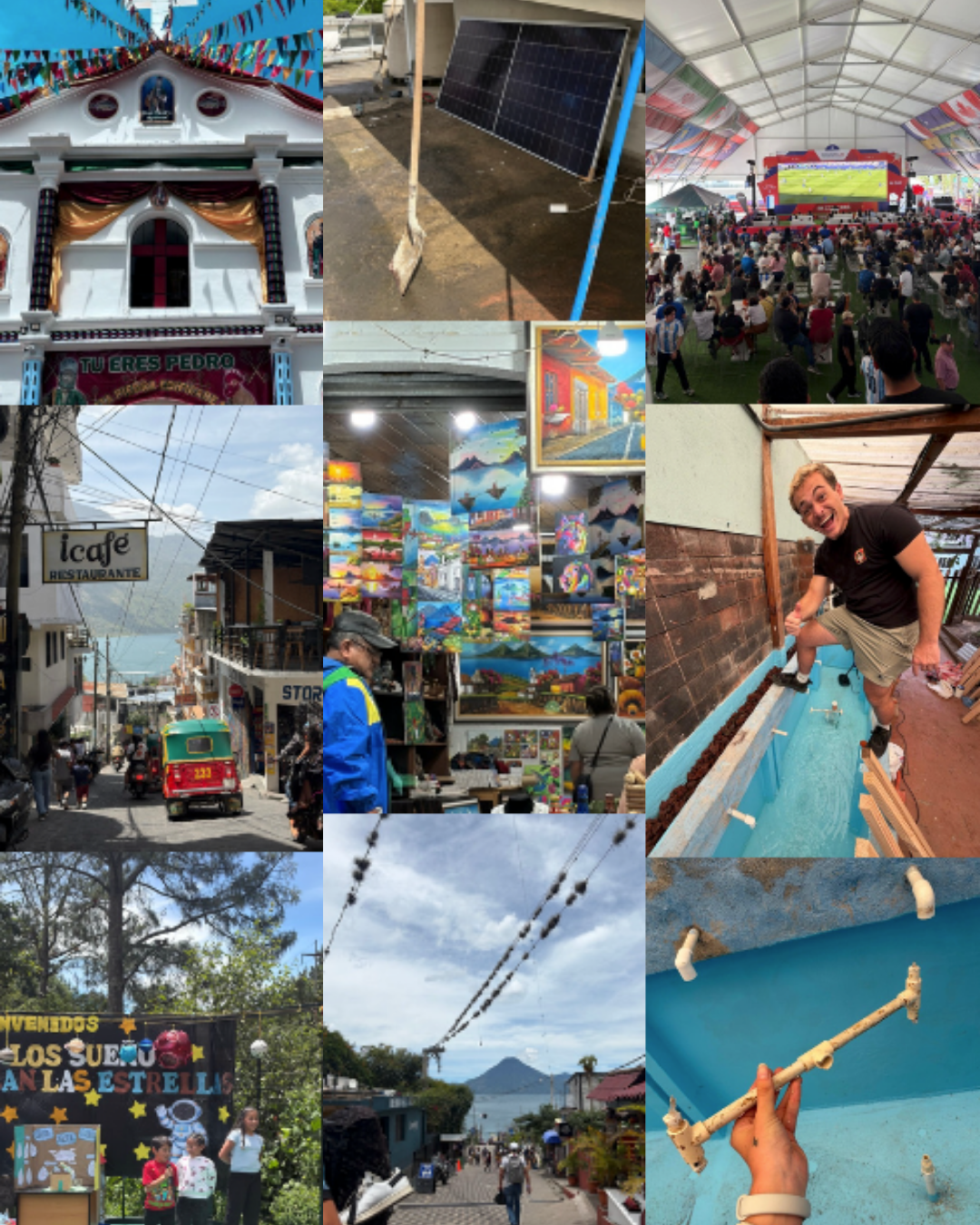
In Antigua, the project also focuses on setting up an aquaponics system. The students refurbished old ponds, reinforced the walls and slabs, waterproofed them and designed a roof to protect the installations from the sun and the elements. Some of the materials used, notably certain steel beams, were salvaged directly from the site to minimise waste and costs.
The future tanks will be supplied by a closed-loop pumping and filtration system. Calculations have also been carried out to determine the size of the solar panels required to power the system.
Finally, in Sololá, the students are helping to build a chicken coop designed to improve rearing conditions and contribute to the centre’s food self-sufficiency. Site preparation, laying the concrete slab, reinforcing the structure, laying blocks, erecting formwork and consolidating the structure: the project is progressing thanks to strong collective effort and the support of local tradespeople.
At the same time, the team has restored a pump to working order, enabling the use of two water tanks with a total capacity of 3,400 litres, and has been working to optimise the watering of the greenhouses.
Sharing knowledge and learning from the children
Beyond the construction projects, the mission has a strong educational focus. In all three centres, the students regularly offer lessons in French, maths, science and electricity.
Through fun, hands-on activities, the children were able to discover how light, sound, electrical circuits, bridges and even rockets work. The students tailored their activities to the age and ability of each group, emphasising hands-on learning, cooperation and experimentation.
This knowledge-sharing initiative notably led to an ‘Olympics’ event bringing together the centres in Guatemala City and Sololá. Presentations of science projects, French quizzes, group games and sporting events punctuated the day, which was all about sharing.
Over the course of several weeks, the students also helped the children with their homework and in preparing for their assessments. This daily involvement enables them to forge strong bonds and to see, in practical terms, the human impact of their commitment.
A human, cultural and professional experience
This mission also provides a real test of adaptability. The students have to cope with material constraints, weather conditions, unforeseen technical issues and the availability of tradespeople. They learn to revise their plans, find solutions using the resources at hand and work alongside local professionals.
Interactions with the centre teams, bricklayers, carpenters and local residents deepen their understanding of the country and its realities. Alongside their project, students discover Guatemala’s cultural and natural diversity, from Lake Atitlán to the Acatenango and Fuego volcanoes, via Antigua, Semuc Champey and the Mayan ruins of Tikal.
Through this adventure, they put their engineering skills into practice on useful and sustainable projects, whilst developing their independence, their ability to work in a team and their intercultural awareness.
This project fully exemplifies ESTIA’s commitment to training engineers capable of applying their knowledge to help others and to providing concrete solutions to the environmental and social challenges facing local communities.