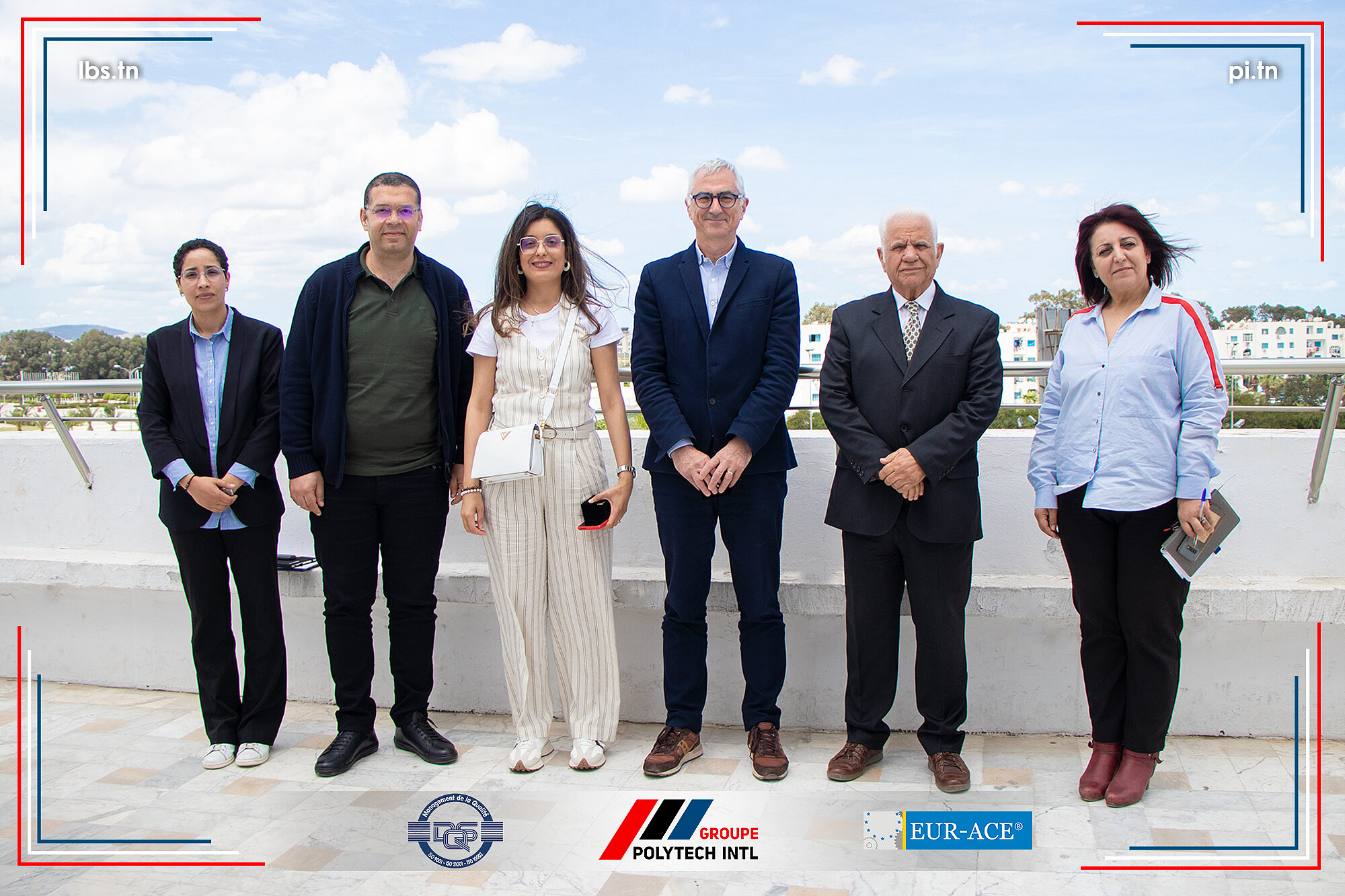
Since 2020, ESTIA has chosen to restructure its cooperation with the continent, moving from one-off collaborations to a long-term approach. The aim is to build strong partnerships with African higher education institutions, economic stakeholders and innovation ecosystems in the fields that lie at the heart of the school’s specialisms.
This decision also forms part of a major shift in the global balance of power. With nearly 60 per cent of its population under the age of 25, Africa is now the world’s youngest continent. By 2050, around one in four people in the world is expected to be African. This demographic trend places the education of younger generations, the development of scientific and technological skills, innovation and entrepreneurship at the heart of the challenges facing the coming decades.
For an engineering school such as ESTIA, therefore, cooperating with African partners also means preparing for the future: forging links between higher education institutions, researchers, students and businesses; sharing expertise; and working together to develop responses to industrial, technological and environmental changes.
This cooperation is based on a firm belief: reciprocity in exchanges.
Since 2020, ESTIA has structured these partnerships across its various fields of expertise:
- training, by developing student mobility schemes and jointly designing technology-based courses with partner institutions;
- research and experimentation, through applied research and technology transfer projects;
- supporting innovation by building bridges between start-ups, incubators and entrepreneurial ecosystems;
- opening students’ eyes to the world by enabling them to study, undertake work placements or discover other academic, professional and cultural environments.
Exchanges that work both ways
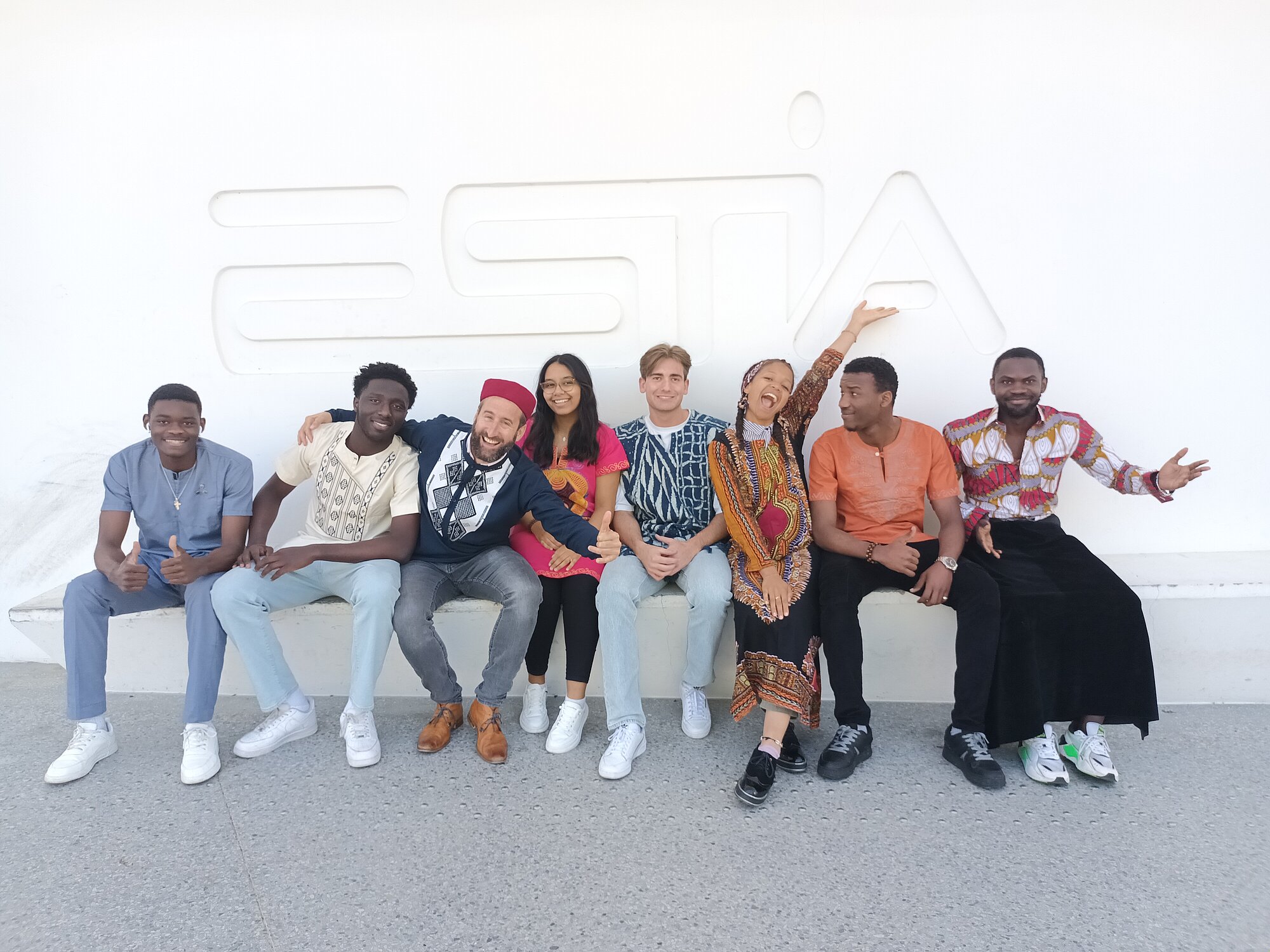
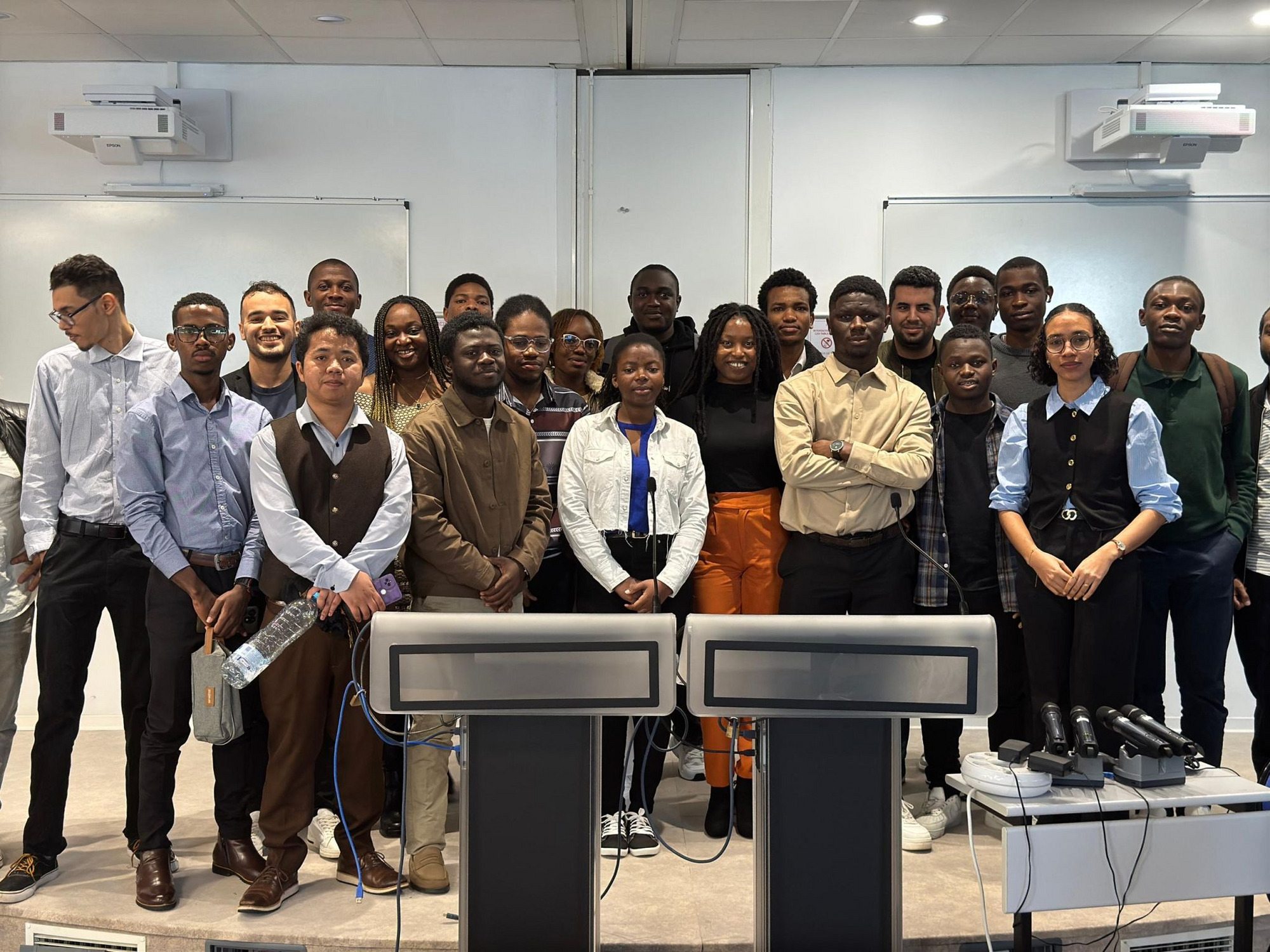
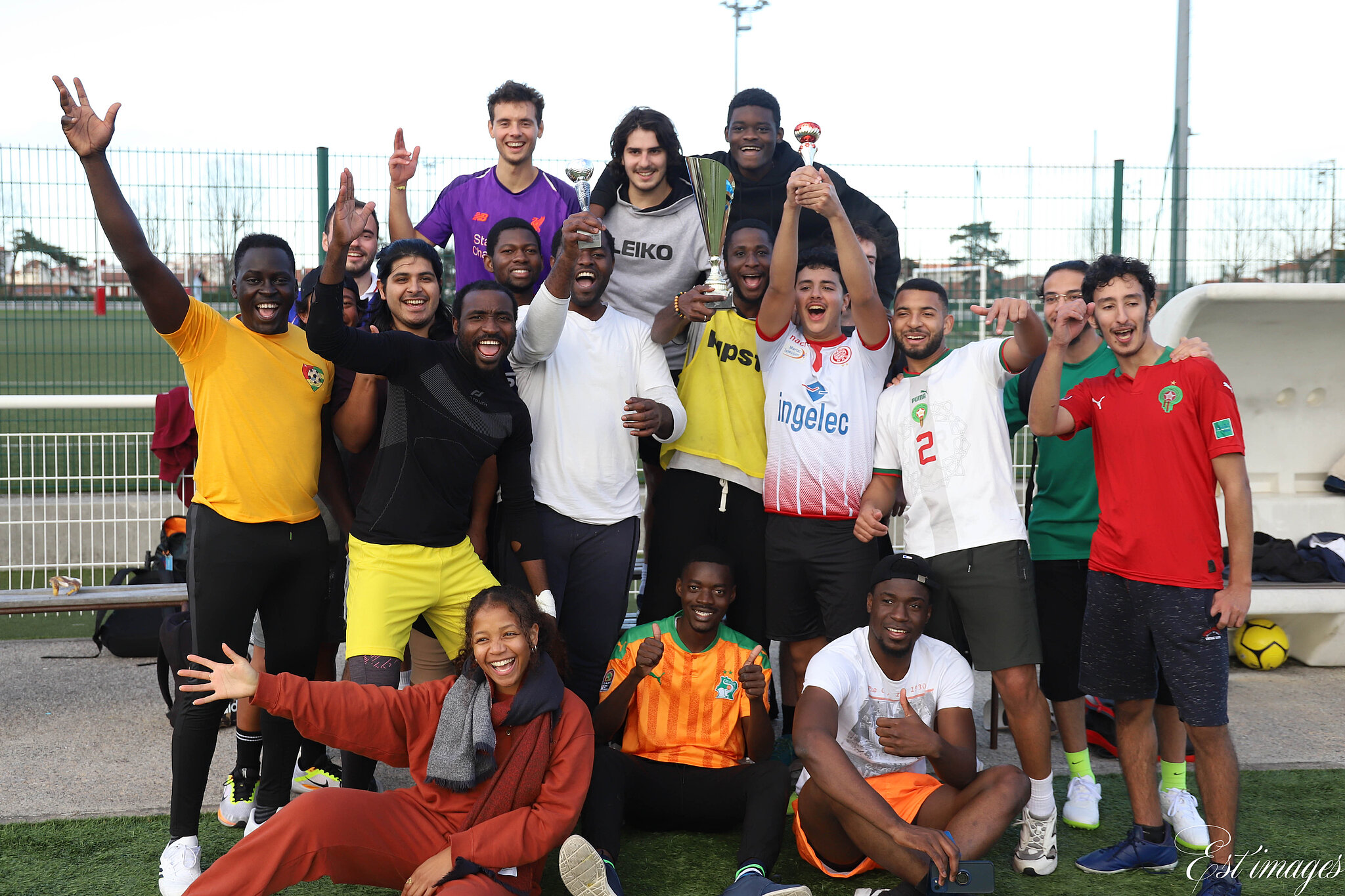
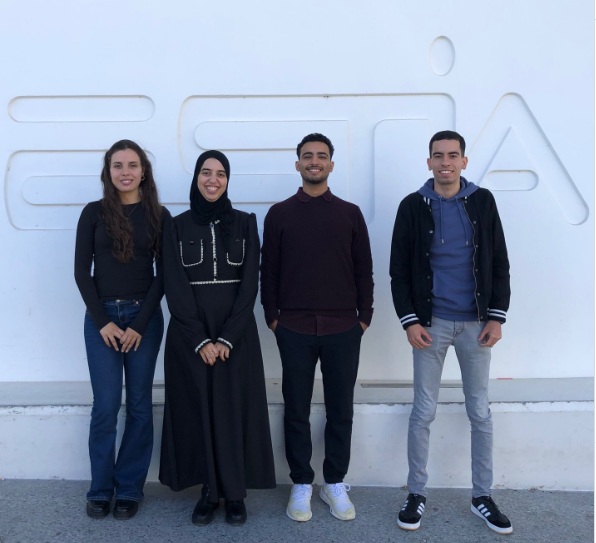
Mobility is one of the most visible aspects of this cooperation. Every year, ESTIA welcomes around a hundred students from various countries, and the dynamic works both ways: since 2020, 125 ESTIA students have undertaken academic mobility programmes or work placements in Africa. For ESTIA students, these experiences represent much more than just an international exchange. They provide an opportunity to discover other cultures, professional practices and economic and industrial realities. They play a key role in training engineers capable of working in international and intercultural environments.
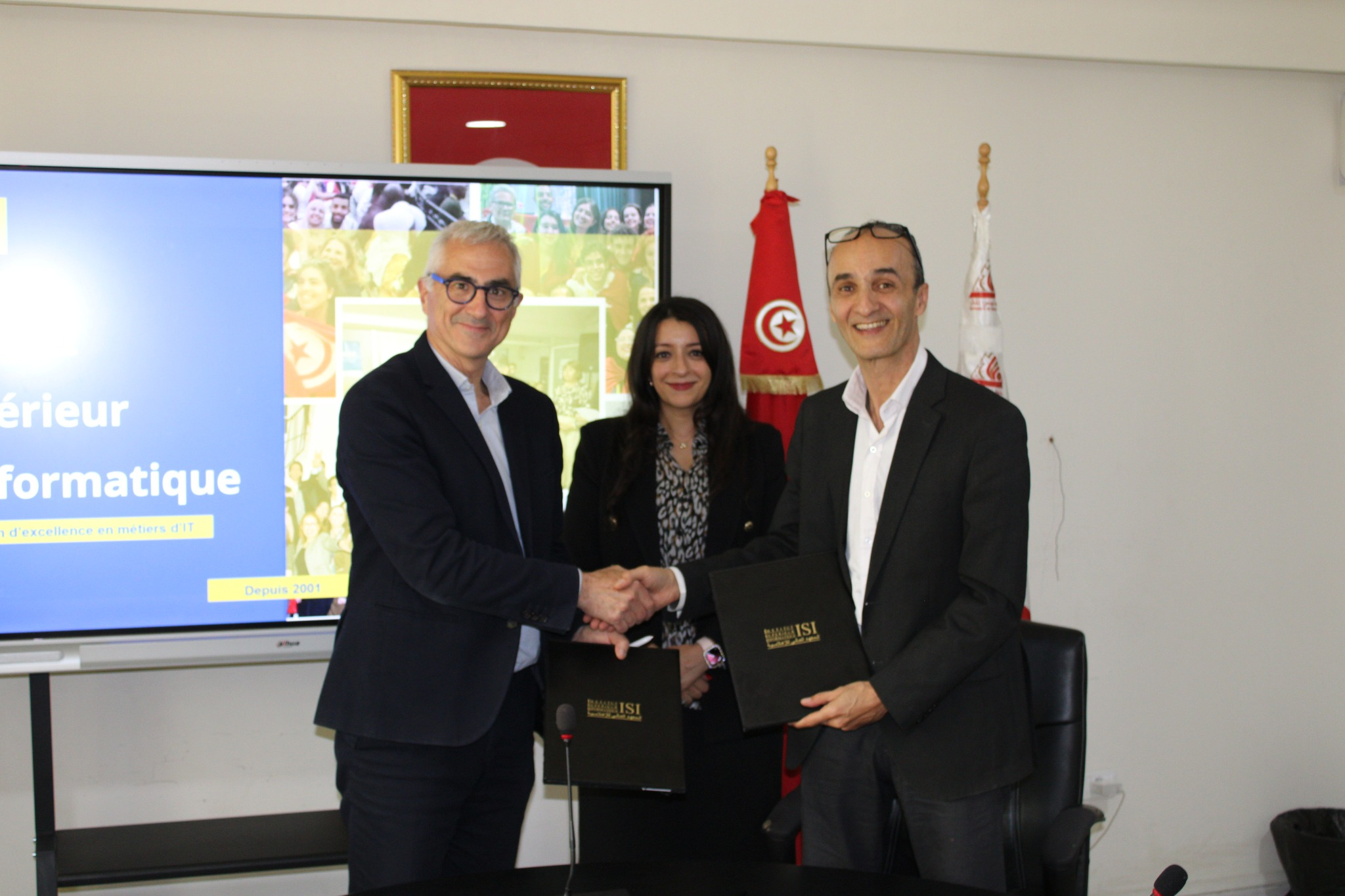
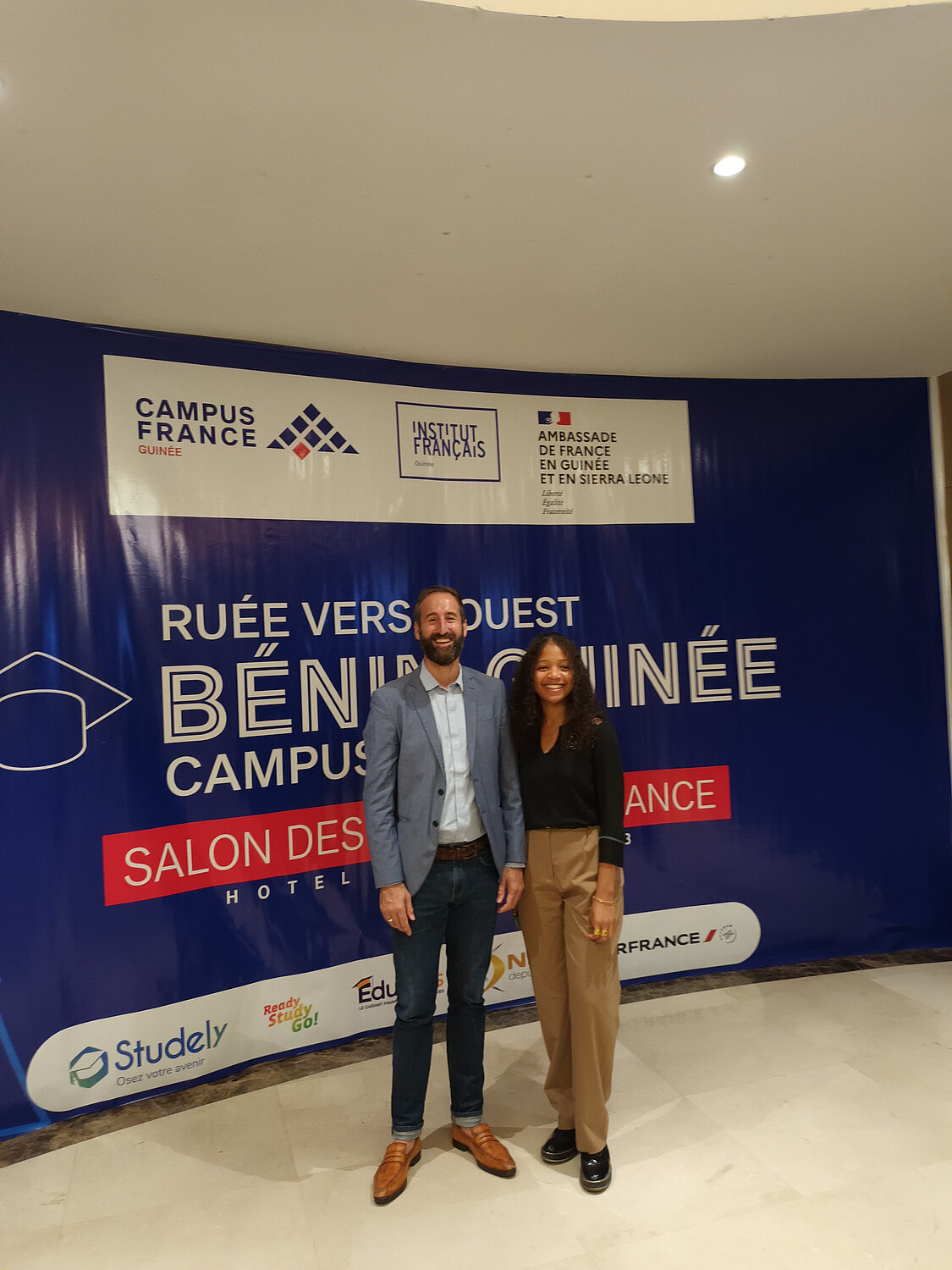
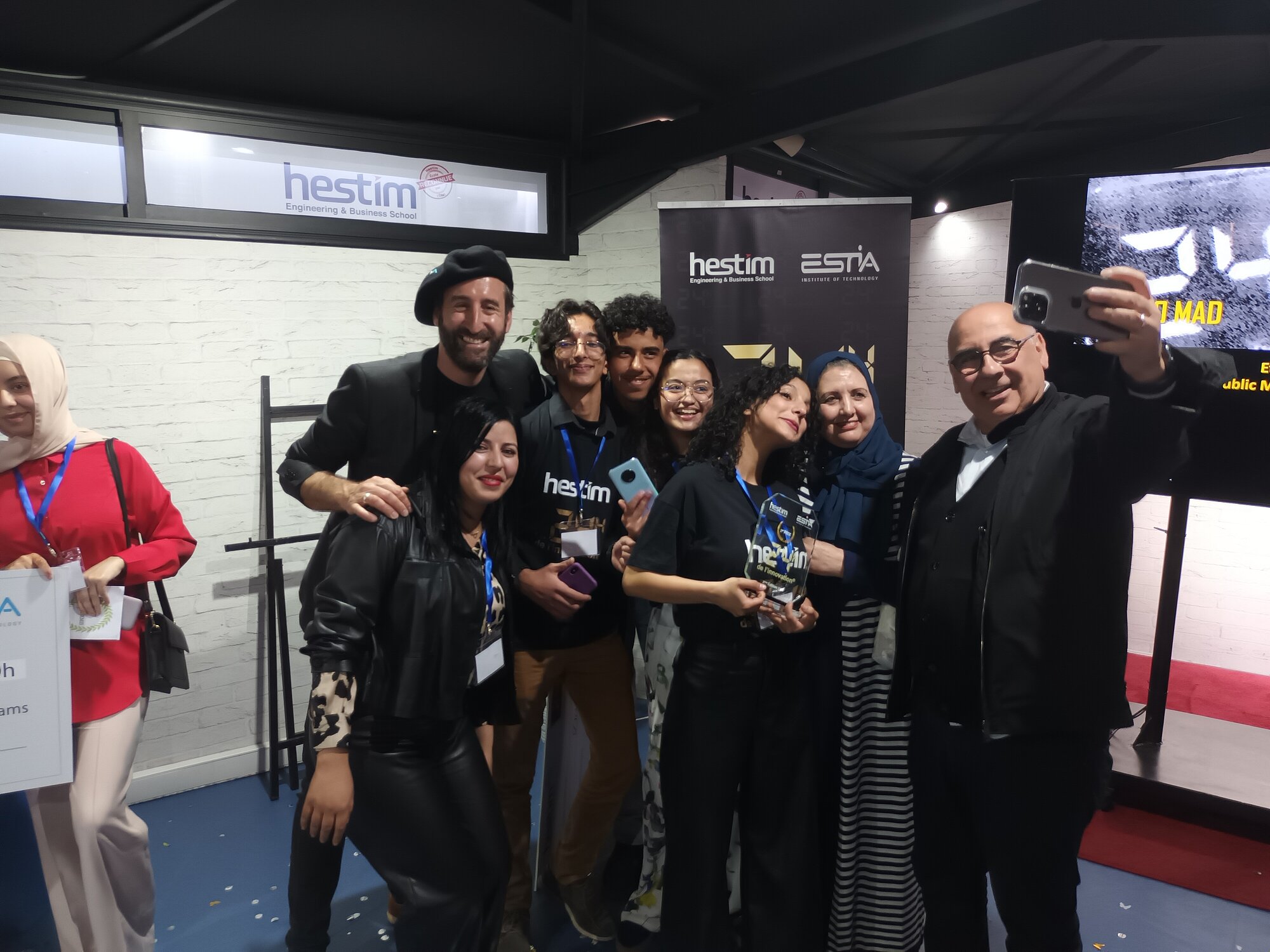
For these exchanges, ESTIA can now draw on 14 partnership agreements with African universities, notably in Tunisia, Guinea, Côte d’Ivoire, Madagascar, Cameroon and Benin; as well as on dual-degree agreements with ESITH and HESTIM in Morocco;
Other key aspects: students can obtain an ESTIA degree whilst remaining in their own country, thanks to local partners:
- The Bachelor’s degree in Industry of the Future with IMSET in Tunisia,
- the BIHAR Master’s in Artificial Intelligence with ESATIC in Côte d’Ivoire, IT University in Madagascar or ESSFAR in Cameroon
Delivering training in collaboration with partners, tailored to the specific needs of each region
ESTIA’s strategy is not simply to replicate training programmes designed in the Basque Country identically across Africa. On the contrary, the aim is to co-develop programmes with partner institutions, taking into account local skills requirements and economic and industrial realities.
The Guinea Industry of the Future (GIF) project is a case in point.
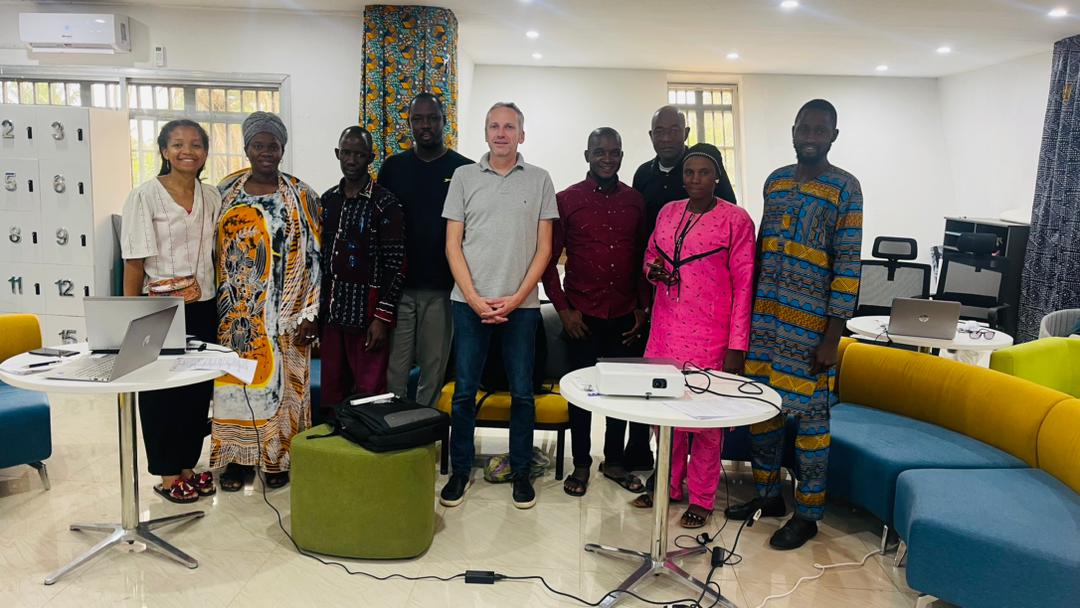
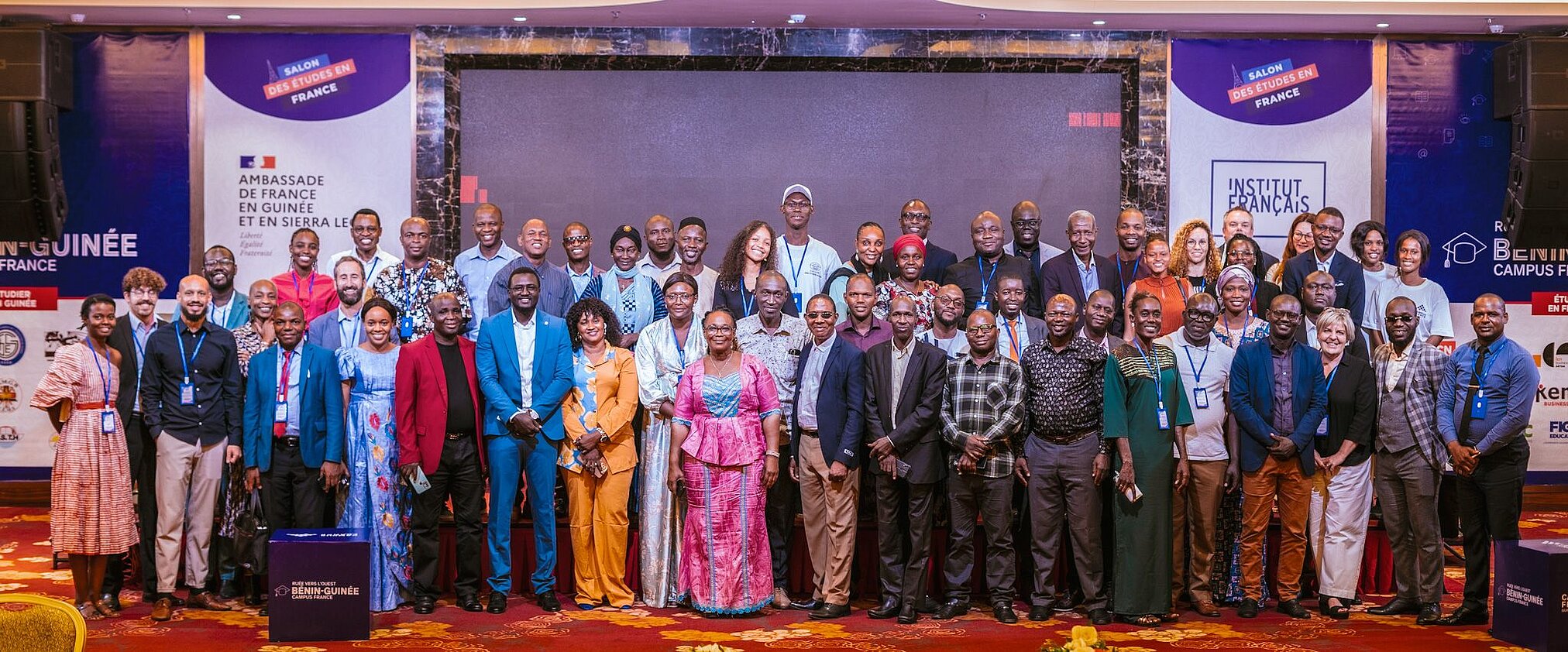
The GIF project was developed with the University of Kindia and supported by the French Ministry for Europe and Foreign Affairs as part of the ADESFA programme: it led to the creation of the Master’s in Innovation and Entrepreneurship for the Industry of the Future, the first cohort of 18 students of which began in July 2025.
The project is not limited to the creation of a degree programme. It combines:
- training students in advanced technologies, innovation and entrepreneurship;
- the transfer of skills and the training of lecturers at the University of Kindia by lecturers from ESTIA;
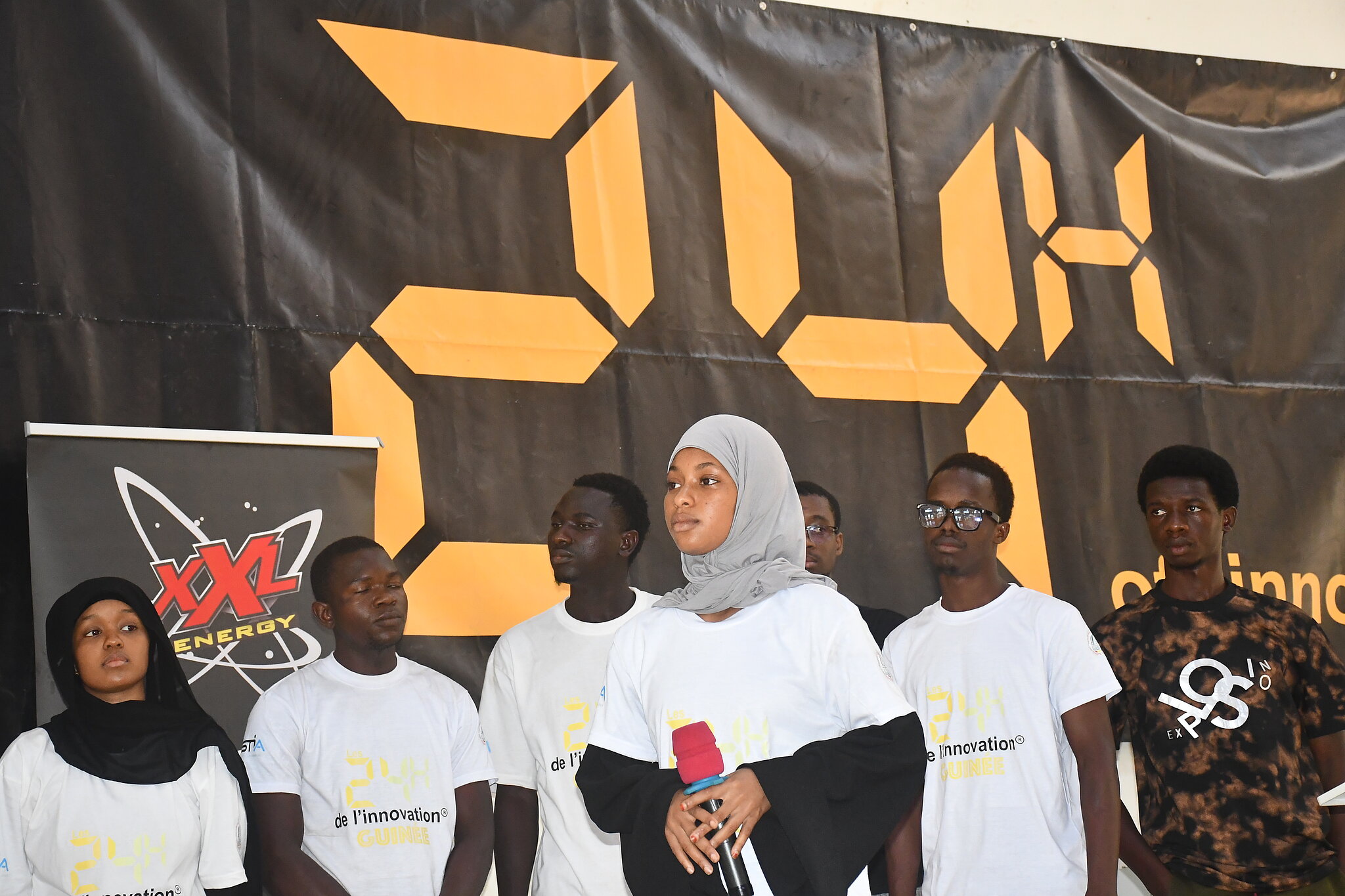
- the involvement of local economic stakeholders, notably through the ‘24 Hours of Innovation’ event held in April 2025 with 12 local businesses,
- the establishment of links with industry for work placements and career entry.
It is this approach of building partnerships rather than simply rolling out an existing programme that also guides the collaborative initiatives undertaken by ESTIA.
Research and knowledge transfer: putting ESTIA’s expertise to work on practical projects
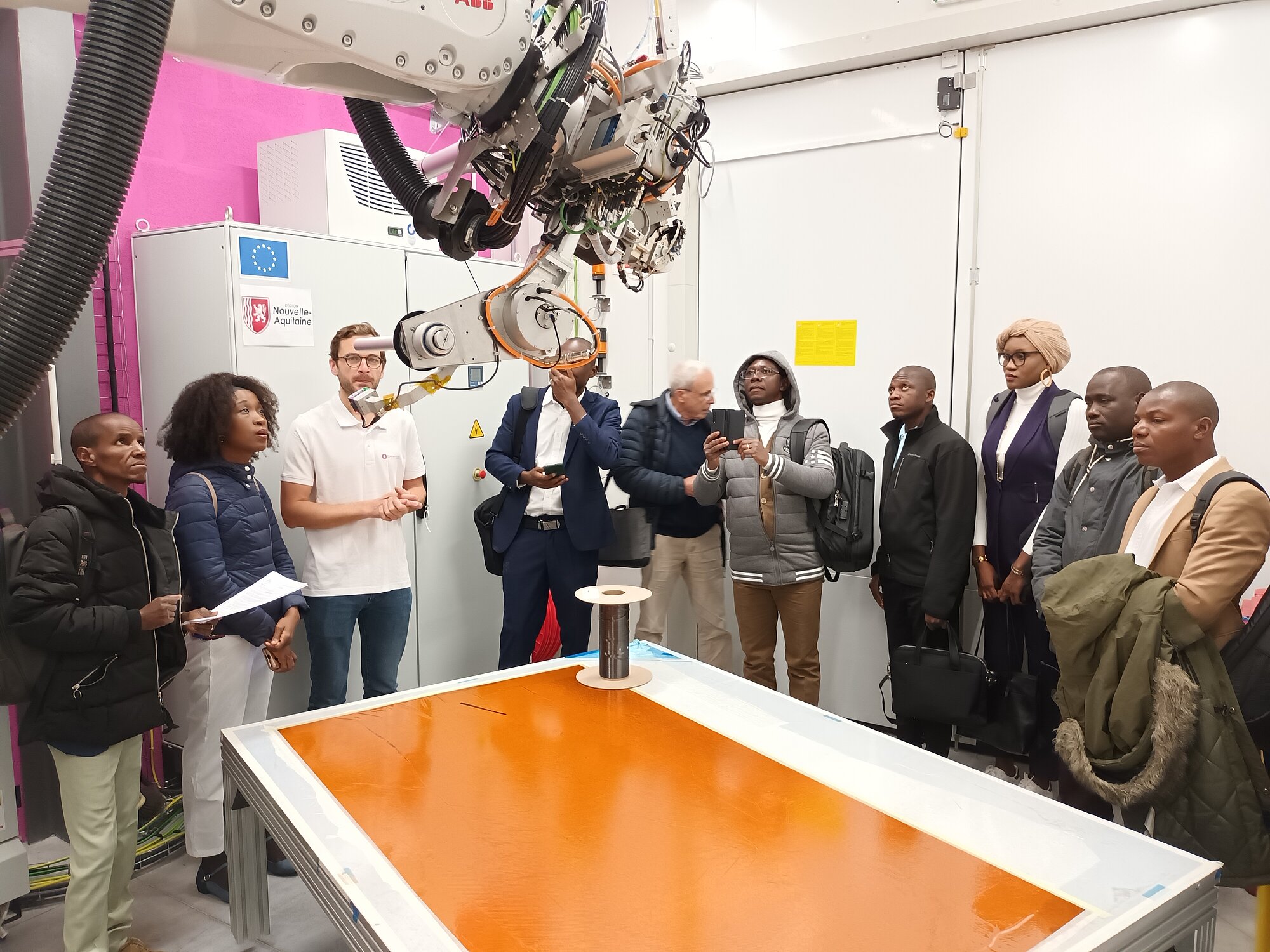
Collaborations in Africa also involve ESTIA Research and ESTIA Tech, particularly on topics related to digital technology, artificial intelligence, industry and the environmental transition.
Through the European DEEP FARM project, for example, ESTIA has contributed, in Madagascar and Côte d’Ivoire, to the development of skills in artificial intelligence and big data applied to agriculture.
Students and lecturers have worked on practical agricultural challenges using data, use cases and experimental set-ups. In Madagascar, this cooperation involves, in particular, replicating ESTIA’s DataLab model (an AI platform serving businesses) to create a sustainable space for training and experimentation in the fields of agriculture, data and AI.
Another area of application is the circular economy. In 2024, Proparco, a subsidiary of the AFD Group, commissioned ESTIA to carry out a feasibility study for a textile recycling sector in sub-Saharan Africa, conducted in Senegal, Côte d’Ivoire and Ghana, in an attempt to address the issue of the massive influx of second-hand clothing imported from Europe, some of which ends up in African landfill sites.
These projects illustrate a common approach: combining training, applied research and knowledge transfer to tackle issues directly linked to local areas and their stakeholders.
Connecting innovation ecosystems
Finally, cooperation involves entrepreneurs and start-ups.
Through ESTIA’s start-up department, ESTIA Entreprendre, the school is building bridges between African and Nouvelle-Aquitaine ecosystems.
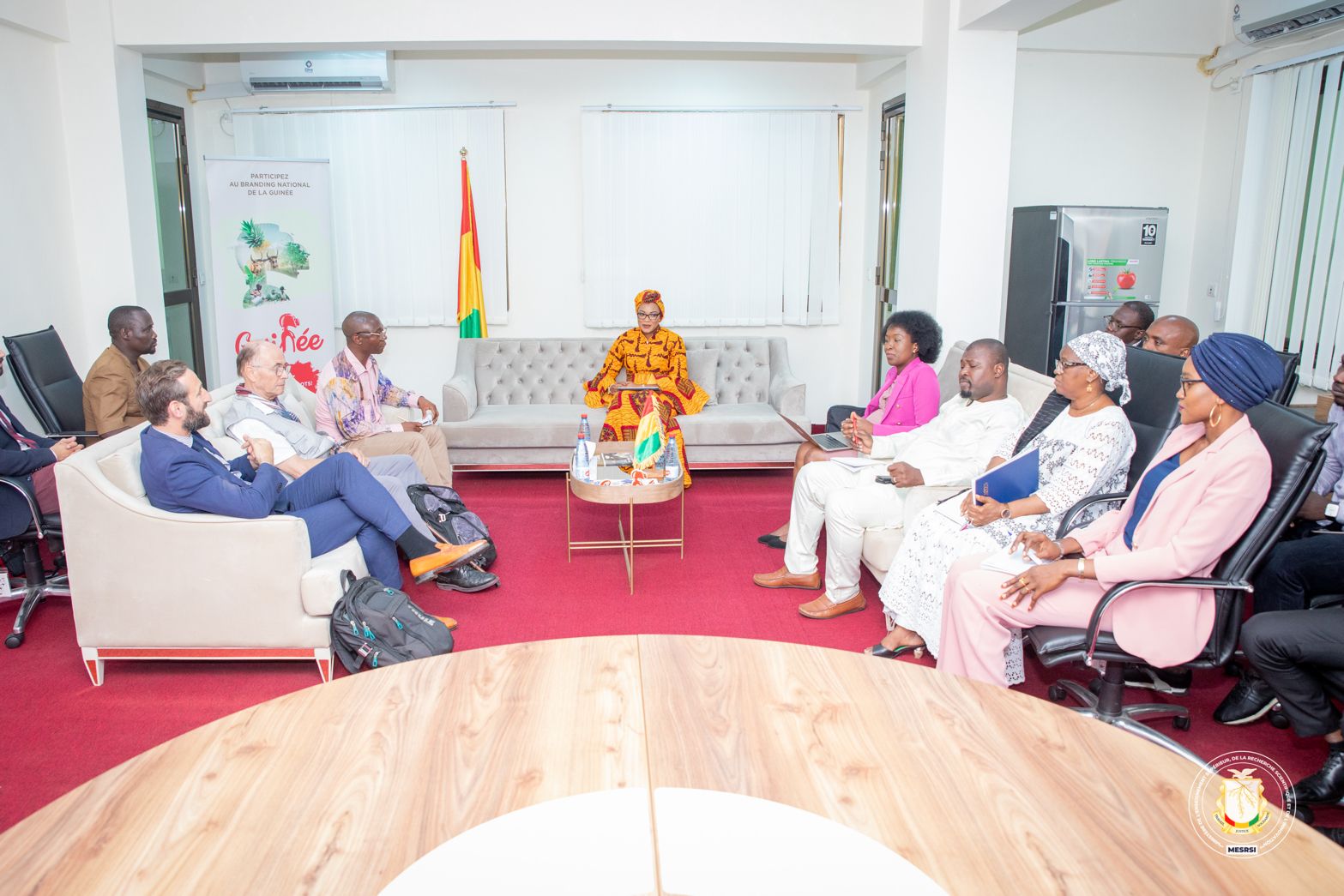
- In 2022, ESTIA provided technical assistance to the Ministry of Higher Education, Scientific Research and Innovation in Guinea to help establish a technology park (Forécariah Innovation Hub).
- Between 2022 and 2025, teams from ESTIA Entreprendre undertook several missions to East Africa to audit incubators and deliver training for the BIC Africa project in collaboration with the European Business and Innovation Centre Network (EBN): in Ethiopia, Madagascar and the Comoros.
- Finally, between 2021 and 2025, as part of the SIRENA Startup programme – Soft Landing programme funded by the Nouvelle-Aquitaine Region, ESTIA established a partnership with Senegal to ensure that, alongside Japan, Canada and Spain, Africa is included among the ‘destinations’ offered to start-ups from Nouvelle-Aquitaine. The partnership with Senegal’s leading incubator, the DER/FJ’s D-Hub, has thus hosted two or three start-ups from Nouvelle-Aquitaine each year, whilst, in return, Aquitaine’s incubators have hosted Senegalese start-ups, always in this spirit of reciprocity.
Towards a new phase: a Chair dedicated to circular industries in Africa
After several years of cooperation, ESTIA now wishes to take a new step forward by pooling its experience, expertise and partnerships around a shared ambition: to contribute, alongside its African partners, to the development of an industry that is more circular, more resource-efficient and creates value locally.
The stakes are high. Whilst the continent possesses significant resources and will need to create more than 20 million jobs a year by 2050, Africa currently accounts for only 1 to 2 per cent of global industrial production. A large proportion of raw materials is still exported before processing, limiting the value created locally. At the same time, future industrialisation must contend with dwindling resources and environmental imperatives. It is to address this dual challenge – further industrialisation whilst devising more sustainable production models – that ESTIA is working to establish an African Circular Industries Chair. Conceived as an open, partnership-based platform, it aims to bring together African and European higher education institutions, researchers, industry representatives and entrepreneurs around the four areas of expertise already being developed by ESTIA on the continent: training, applied research and technology transfer, innovation and entrepreneurship.
Two sectors have been identified as priorities for launching this work:
- agriculture and the agri-food sector, to reduce losses, recover waste and by-products, optimise the use of water, energy and raw materials, and develop local resource loops;
- the textile sector, to promote re-use and recycling, reduce production-related waste, encourage the use of local and sustainable fibres, and establish new circular value chains.
This future Chair reflects the ambition of ESTIA’s Africa strategy: to move progressively from cooperation projects towards a sustainable ecosystem of training, research, knowledge transfer and innovation, built in collaboration with African partners and serving the continent’s industrial transformation.